
Family vacations are meant to be exciting, relaxing, and full of memorable moments. But traveling with children often comes with a few extra challenges. Long car rides, disrupted sleep schedules, unfamiliar foods, hot weather, and crowded airports can quickly leave kids feeling tired, uncomfortable, or even sick. At Childrens Clinic in Newnan, GA, we know that a little preparation can make the difference between a stressful trip and a smoother, healthier experience for the entire family.
Focusing on child travel safety before and during your trip helps reduce common health concerns and allows families to enjoy their time together with greater peace of mind. Whether you are planning a beach vacation, road trip, or flight across the country, these practical pediatric travel tips can help keep your children safe, comfortable, and healthy while traveling.
If you are traveling this summer, contact Childrens Clinic to schedule an appointment before your next family vacation.
What Parents Should Pack Before a Family Trip
One of the easiest ways to prepare for travel health concerns for children is to create a on-the-go travel health kit before leaving home. Having important supplies nearby can help parents quickly manage minor illnesses, bumps, or discomfort without having to search for a pharmacy while away.
A travel health kit does not need to be complicated, but it should include essentials such as:
- Adhesive bandages
- Children’s fever or pain medicine
- Prescription medications
- Sunscreen with SPF 30 or higher ( Even if it is cloudy, it is important to apply sunscreen)
- Child-safe insect repellent
- Hand sanitizer or disinfecting wipes
- Electrolyte packets or hydration drinks
- Extra supplies for infants, if needed, such as diapers, wipes, and formula, should always be kept on hand
Keeping medications in their original containers and packing extras for delays can also help families avoid unnecessary stress while traveling.
Managing Motion Sickness During Travel
Motion sickness is one of the most common travel complaints among children. Long car rides, airplane travel, and boat rides can trigger nausea, dizziness, sweating, or headaches, especially in younger kids.
Fortunately, a few simple adjustments can often help prevent symptoms before they begin. Encouraging children to look out the window instead of focusing on screens or books may reduce nausea during travel. Light snacks are usually better tolerated than heavy meals before long rides, and regular breaks during road trips can help children feel more comfortable.
Parents can also help reduce motion sickness by:
- Keeping fresh air circulating in the vehicle
- Avoiding strong food odors during travel
- Seating children facing forward whenever possible
- Planning stops during longer drives
If your child frequently struggles with motion sickness, speaking with your pediatric provider before traveling can help you find safe treatment options for their age.
Why Hydration Matters During Summer Travel
Staying hydrated is one of the most important parts of summer vacation for kids’ health. Between warm temperatures, outdoor activities, and long travel days, children can become dehydrated more quickly than adults.
Even mild dehydration can leave kids feeling tired, irritable, or overheated. Parents should encourage children to drink water consistently throughout the day, even if they do not ask for it. Refillable water bottles can make hydration easier while traveling, and water-rich snacks like oranges, cucumbers, and watermelon can also help children stay hydrated.
For travel with infants, continuing regular feedings and monitoring for signs of overheating is especially important during hot weather.
Protecting Kids From Sun Exposure
Many family vacations involve extra time outdoors at beaches, pools, parks, or sporting events. While sunshine is part of the fun, too much exposure can quickly lead to painful sunburns and heat-related illness.
Children have sensitive skin, making sun protection an important part of child travel safety. Parents should apply broad-spectrum sunscreen with SPF 30 or higher before outdoor activities and remember to reapply it throughout the day, especially after swimming. And remember, even if it is cloudy out, it is important to apply sunscreen as clouds only block some of the sun’s harmful UV rays.
Other important sun safety habits include:
- Dressing children in lightweight protective clothing
- Using wide-brimmed hats outdoors
- Taking breaks in shaded areas
- Avoiding extended outdoor activity during peak afternoon heat
Parents should also remember commonly missed areas like ears, shoulders, feet, and the back of the neck.
Reducing Bug Bite Risks While Traveling
Mosquitoes, ticks, and other insects are common during summer travel, especially during outdoor activities. While most bug bites are minor, some can cause irritation, allergic reactions, or illness.
Using child-safe insect repellent is one of the best ways to reduce exposure. Dressing children in lightweight long sleeves during evening activities and checking for ticks after hikes or outdoor play can also help protect kids while traveling.
Families traveling with infants may also benefit from mosquito netting over strollers or carriers when spending time outdoors.
Keeping Kids Comfortable During Flights
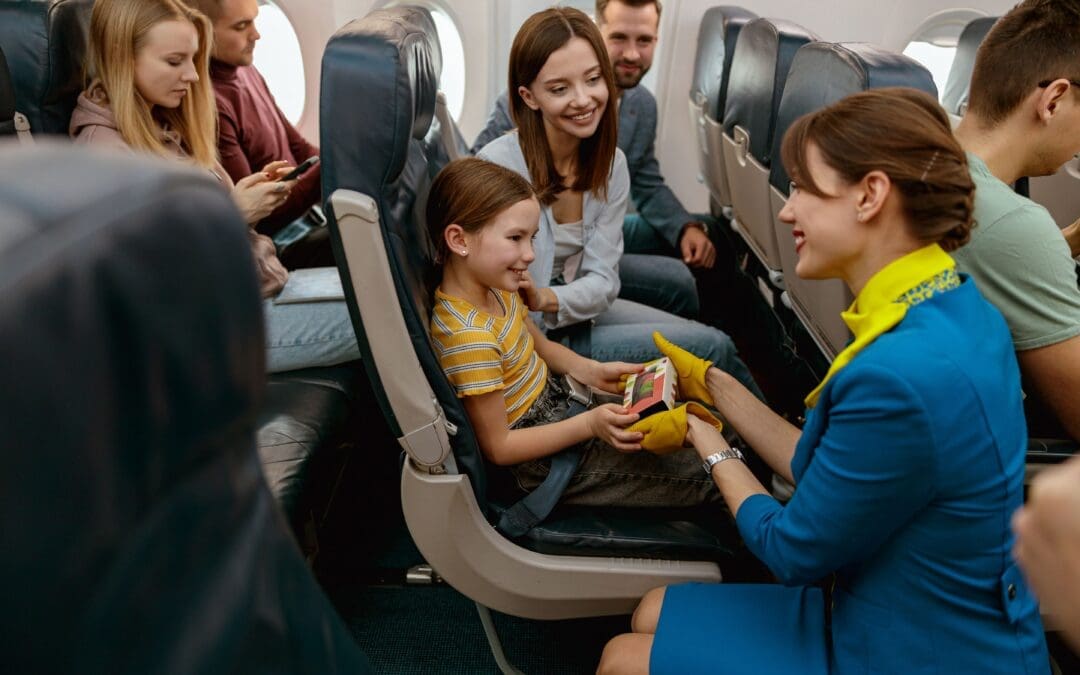
Air travel can be exciting for children, but it can also be tiring and overstimulating. Crowded airports, changes in routine, and long periods of sitting may leave children restless or uncomfortable.
Planning ahead often makes flying easier for both kids and parents. During takeoff and landing, babies can nurse or drink from a bottle to help relieve ear pressure, while older children may benefit from sipping water or chewing gum.
A few helpful items to bring during flights include:
- Quiet toys or coloring books
- Downloaded games or movies
- Favorite blankets or comfort items
- Healthy snacks and water bottles
Dressing kids in comfortable layers also allows them to adjust more easily to changing temperatures throughout the trip. Maintaining familiar sleep routines whenever possible may help children feel more rested during travel.
Smart Strategies for Long Car Rides
Road trips can be fun for families, but sitting in the car for hours can be difficult for younger children. Planning helps reduce boredom, discomfort, and frustration during long drives.
Making sure car seats are properly installed is one of the most important parts of child travel safety. Parents should also plan breaks every few hours so children can stretch, use the restroom, and reset before continuing the drive.
Healthy snacks, water, and simple entertainment can help keep children more comfortable throughout the trip. For travel with infants, allowing extra time for diaper changes, feedings, and rest stops can make the experience less stressful for everyone.
Helping Kids Stay Healthy Around Germs
Travel often means spending time in crowded airports, hotels, restaurants, and tourist attractions where germs spread more easily. Teaching healthy habits while traveling can help reduce the risk of illness.
Encouraging children to wash their hands regularly, use hand sanitizer when needed, and avoid sharing drinks or utensils can make a big difference. Parents should also wipe down frequently touched items like tablets, toys, and snack trays during travel days.
Families should also make sure children stay current on recommended vaccinations before traveling, especially for international trips.
When to Schedule a Pediatric Checkup Before Traveling
Some children may benefit from seeing a pediatric provider before a trip, especially if they have asthma, severe allergies, chronic health conditions, or recent illnesses.
Before traveling, parents may want to schedule a checkup if their child:
- Needs prescription refills
- Has a chronic medical condition
- Has severe allergies
- Is traveling internationally
- Is an infant or very young child
A pediatrician can help parents prepare for travel, address children’s health concerns, and offer guidance tailored to the child’s age, medical history, and travel plans.
Contact Childrens Clinic
Preparing for a family vacation often means thinking beyond packing lists and travel plans. Making sure your child is healthy and ready for travel can help prevent unnecessary stress and give parents greater peace of mind throughout the trip.
Whether you have questions about motion sickness, hydration, allergies, travel with infants, or other child travel safety concerns, our team at Children Clinic is here to help. Our providers can offer pediatric travel tips and guidance to help your family stay healthy, comfortable, and prepared wherever your travels take you.