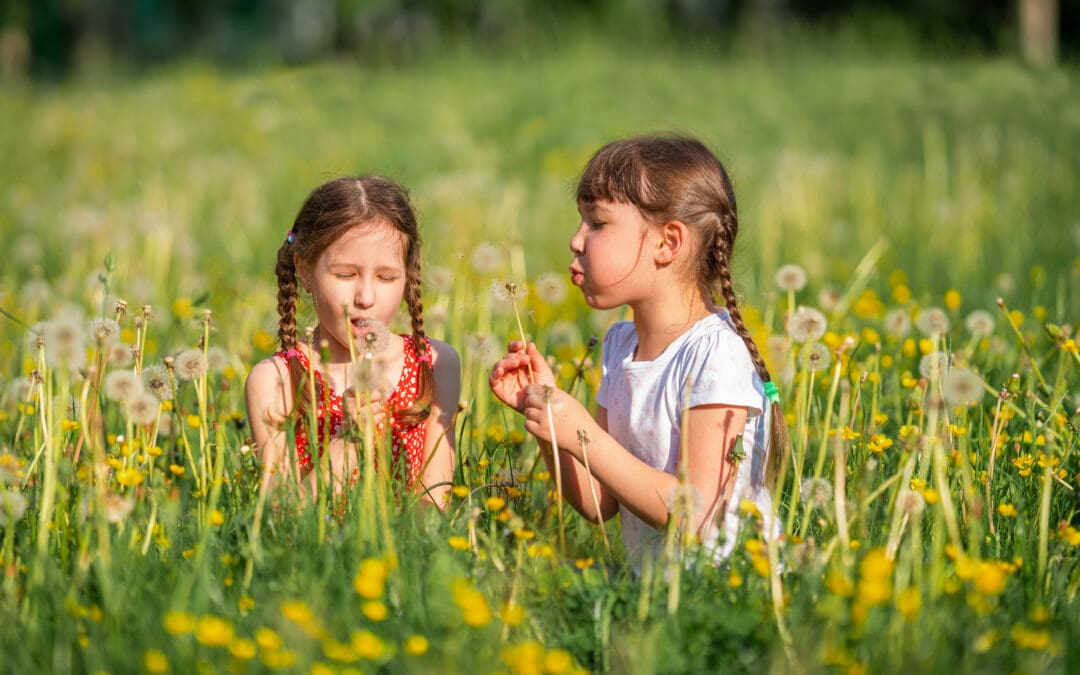
Spring in Georgia is hard to beat. Trees burst into bloom, the weather warms up, and children are eager to spend more time outside playing sports, exploring parks, and enjoying the longer days. But along with the beauty of spring comes a familiar challenge for many families: pollen.
Georgia is known for high pollen counts in the spring, and for many children, this means the arrival of seasonal allergy symptoms. Parents may notice frequent sneezing, itchy eyes, or a stuffy nose that seems to linger. These symptoms can make outdoor activities less enjoyable and sometimes interfere with sleep, school, and everyday routines.
Spring allergies in children are very common, especially in areas where pollen from trees and grasses rises quickly each year. The good news is that with the right approach, parents can help reduce symptoms, limit exposure, and keep children feeling comfortable during allergy season.
Understanding how allergies work and when to seek pediatric allergy care at Childrens Clinic in Newnan, Georgia, can make a significant difference in how children experience the spring months.
Why Spring Allergies Affect So Many Children
Spring marks the start of an active growing season for plants. Trees, grasses, and other vegetation release pollen into the air as part of their natural reproductive cycle. While pollen is harmless for many people, some children have immune systems that react strongly to it.
When pollen enters the body through the nose or eyes, the immune system treats it as a threat. The body releases chemicals that trigger inflammation and irritation, which leads to familiar allergy symptoms such as sneezing, congestion, and watery eyes.
Because children often spend a lot of time outdoors during recess, sports, and playtime, they may be exposed to pollen more frequently. During peak pollen season, kids who experience symptoms can experience symptoms for several weeks if exposure continues.
For families in Georgia, understanding this seasonal pattern can help parents prepare for allergy symptoms before they become disruptive.
Is It a Cold or Seasonal Allergies?
One of the most common questions parents ask during spring is whether their child has a cold or seasonal allergies. Since both conditions can cause sneezing and congestion, it can be difficult to tell the difference at first.
Colds are caused by viruses and usually improve within seven to ten days. Allergies, on the other hand, are triggered by environmental factors like pollen and often continue as long as exposure remains high.
Children with seasonal allergies are also more likely to experience itching. Itchy eyes, itchy noses, and throat irritation are classic allergy symptoms but are rarely associated with a cold. Another clue is timing. If symptoms appear suddenly during the spring and return around the same time each year, allergies may be the cause.
Parents should also note that allergies do not typically cause fever or body aches, which are more common with viral illnesses.
Recognizing the Signs of Spring Allergies in Children
The symptoms of spring allergies in children can vary, but they usually involve the nose, eyes, and throat. Some children have mild irritation, while others may develop symptoms that make daily activities more challenging.
Parents commonly notice:
- Frequent sneezing
- Runny or congested nose
- Itchy, red, or watery eyes
- Itching in the nose or throat
- Frequent throat clearing
- Dark circles under the eyes are sometimes called allergic shiners
Some children also feel tired during allergy season because nasal congestion can disrupt sleep. When symptoms worsen after outdoor play or on days when pollen counts are especially high, seasonal allergies are often the likely cause. Recognizing these patterns can help parents start managing allergies earlier in the season.
Practical Allergy Prevention Tips for Families
Although pollen cannot be completely avoided, families can take simple steps to reduce how much pollen children are exposed to during the spring months. These adjustments may help minimize symptoms and prevent allergies from becoming more severe.
Keeping windows closed during high pollen days can help prevent pollen from entering the home. Air conditioning systems with clean filters can also improve indoor air quality during allergy season.
After spending time outdoors, children should wash their hands and change clothes to remove pollen particles that may cling to fabric. Many pediatric providers also recommend bathing children before bedtime, so pollen is not transferred to pillows or bedding.
Parents may also find it helpful to check local pollen forecasts. Planning outdoor activities when pollen levels are lower can reduce exposure and make outdoor play more comfortable. These allergy prevention tips can go a long way toward limiting symptoms during the peak pollen season that kids experience.
Managing Allergies When Symptoms Appear
Even with prevention strategies in place, many children will still experience seasonal allergy symptoms. Fortunately, several treatment options can help relieve discomfort and make the season easier to manage.
Over-the-counter antihistamines are commonly used to reduce sneezing, itching, and runny noses. Saline nasal sprays may help rinse pollen from nasal passages and relieve congestion. For children with itchy or watery eyes, allergy eye drops may provide additional relief. In some cases, children may benefit from prescription medications designed to control inflammation or prevent allergic reactions before symptoms begin.
Because every child responds differently to allergens, pediatric allergy care can help ensure the safest and most effective treatment plan. A pediatric provider can evaluate symptoms, recommend appropriate medications, and help families develop a strategy for managing allergies throughout the season.
When to Schedule a Visit with Your Pediatrician
Many mild allergy symptoms can be managed at home, but there are times when it is helpful to seek medical guidance.
Parents may want to schedule an appointment if allergy symptoms last longer than two weeks, interfere with sleep or school performance, or do not improve with common medications. Persistent congestion, recurring sinus infections, or breathing difficulties are also signs that a child may benefit from professional evaluation.
A pediatrician can help determine whether symptoms are caused by seasonal allergies or another condition. They can also recommend treatments that are safe and effective for the child’s age and health needs.
Helping Kids Enjoy Spring Again
Spring should be a time for outdoor fun, sports practices, and family adventures, not constant sneezing and itchy eyes. By learning to recognize the symptoms of spring allergies children experience and taking steps to reduce pollen exposure, parents can help make the season more enjoyable.
Simple strategies such as monitoring pollen levels, adjusting outdoor routines, and following effective allergy prevention tips can make a noticeable difference. When needed, pediatric allergy care can provide additional support and treatment options.
Contact Childrens Clinic This Spring
If your child struggles with seasonal allergies each spring, our team is here to help. Our experienced providers understand how challenging spring allergies in children can be. If your child is experiencing ongoing sneezing, congestion, itchy eyes, or other allergy symptoms this spring, contact Childrens Clinic today to schedule an appointment and help your child enjoy the season safely and comfortably.