
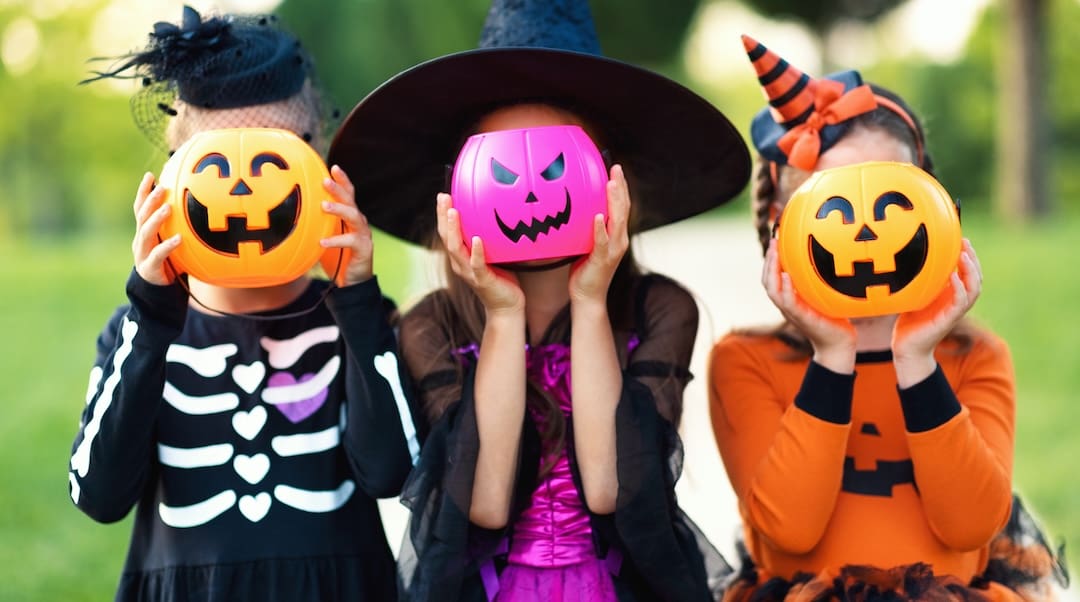
Halloween is a favorite time of year for many children, bringing excitement through costumes, neighborhood trick-or-treating, and festive celebrations. While the fun is worth celebrating, taking a few simple precautions can help families enjoy a safer holiday from start to finish. This article can help parents navigate the fun, spooky holiday.
At Childrens Clinic in Newnan, GA, we want families to enjoy Halloween while keeping children healthy and safe. A little planning before the festivities begin can help parents prepare for common concerns, from costume safety and trick-or-treating to candy and food allergies.
Keep your child healthy and ready for every season. Contact Childrens Clinic to schedule a checkup, sick visit, or other pediatric care.
Why Halloween Child Safety Matters
Halloween often combines several activities that require extra attention, including walking after dark, wearing costumes that may limit visibility, and collecting treats from many different locations. Planning ahead can reduce common risks while allowing children to enjoy the excitement of the holiday. Parents can make Halloween safer by preparing costumes carefully, reviewing neighborhood plans before heading out, and talking with children about basic safety expectations.
Costume Safety for Children Starts Before Halloween Night
Choosing the right costume is one of the simplest ways to improve Halloween child safety. While children may focus on appearance, parents can also look for features that promote comfort and visibility.
When selecting a costume, consider the following:
- Choose costumes that fit properly and do not drag on the ground to reduce tripping hazards.
- Select flame-resistant costumes whenever possible.
- Use comfortable shoes instead of oversized costume footwear.
- Add reflective tape or reflective accessories if children will be outside after sunset.
- Consider face paint instead of masks that may restrict vision or breathing.
- If a child wears a mask, verify that they can see clearly in all directions.
Accessories also deserve attention. Toy swords, wands, and similar props should be lightweight, flexible, and appropriate for children.
Trick-or-Treat Safety Tips for Families
Neighborhood trick-or-treating is often the highlight of Halloween. Whether your family visits a few nearby homes or participates in a larger community event, supervision and planning play an important role.
For younger children:
- Always accompany children while trick-or-treating.
- Stay on sidewalks whenever available.
- Cross streets only at corners or marked crosswalks.
- Hold young children’s hands when crossing busy streets.
- Visit homes with porch lights turned on.
Older children who trick-or-treat independently should have clear expectations before leaving home. Discuss:
- The planned route.
- Who they will be with.
- What time they should return home.
- How to contact parents if plans change.
Car traffic also increases during Halloween. Encourage children to stay alert, avoid running between parked vehicles, and keep electronic devices put away while walking.
Inspect Halloween Candy Before Eating
After the fun of trick-or-treating comes one important family tradition: checking the candy.
Parents should examine every treat before children begin eating. Look for:
- Opened or damaged packaging.
- Homemade treats from unfamiliar sources.
- Expired candy.
- Items that present choking hazards for younger children.
If anything appears unusual, it is best to throw it away. Families should also keep candy out of reach of toddlers, who may accidentally access treats containing choking hazards or ingredients that are not appropriate for their age.
Candy Moderation for Kids Without Taking Away the Fun
Halloween does not have to become an all-or-nothing event. Allowing children to enjoy treats while setting reasonable limits can help create positive habits.
Some practical ideas include:
- Serve a balanced meal before trick-or-treating so children are not overly hungry.
- Allow children to select a few favorite treats after returning home.
- Save the remaining candy for small portions over several days or weeks.
- Offer water instead of sugary beverages during Halloween festivities.
- Continue regular meals and snacks instead of replacing them with candy.
This balanced approach allows children to enjoy Halloween while supporting healthy eating habits.
Healthy Halloween Ideas Beyond Candy
Many families are looking for ways to create a healthy Halloween without eliminating the holiday traditions children love. Some enjoyable alternatives include:
- Hosting a Halloween-themed family movie night.
- Decorating pumpkins instead of carving for younger children.
- Creating festive fruit or vegetable snacks.
- Participating in neighborhood costume parades.
- Playing Halloween-themed games at home.
When handing out treats, allergy-friendly or non-food options may also help accommodate children with dietary restrictions. Small toys, stickers, pencils, or glow sticks can provide fun alternatives while participating in programs such as the Teal Pumpkin Project. Food Allergy Research & Education offers additional information about the Teal Pumpkin Project for families and communities supporting children with food allergies.
Keep Food Allergies in Mind
Food allergies affect many children, making Halloween more complicated for some families. If your child has food allergies:
- Review treats carefully before eating.
- Separate safe treats from those containing allergens.
- Carry emergency medications as directed by your healthcare provider.
- Teach children not to trade candy with friends.
Families distributing treats can also help by offering allergy-friendly choices whenever possible.
Don’t Forget Dental Health After Halloween
Candy naturally contains sugar, making Halloween a good reminder to maintain healthy oral hygiene routines.
Encourage children to:
- Brush twice daily with fluoride toothpaste.
- Floss once each day if age appropriate.
- Drink water after eating sugary treats.
- Avoid constant snacking on candy throughout the day.
Regular dental care, combined with moderation, supports healthy smiles long after Halloween ends. For more information, review the children’s oral health guidance from HealthyChildren.org.
Know When to Seek Medical Care
Although most Halloween celebrations are enjoyable, parents should know when medical attention may be needed.
Contact your child’s healthcare provider if your child experiences:
- Difficulty breathing after eating.
- Signs of an allergic reaction.
- An injury from a fall or accident.
- A costume-related eye injury.
- Any illness or symptoms that concern you after Halloween activities.
Childrens Clinic provides experienced pediatric care for families, including wellness visits, sick visits, and preventive healthcare for children from infancy through age 18. Our practice is dedicated to helping parents make informed decisions about their children’s health.
A Halloween to Enjoy
Halloween should be remembered for laughter, costumes, and special family memories, not preventable accidents. By focusing on costume safety for children, practicing trick-or-treat safety, inspecting candy carefully, and encouraging candy moderation for kids, families can enjoy a healthy Halloween with greater confidence.
If you have questions about your child’s health or would like to schedule an appointment, contact Childrens Clinic today.