
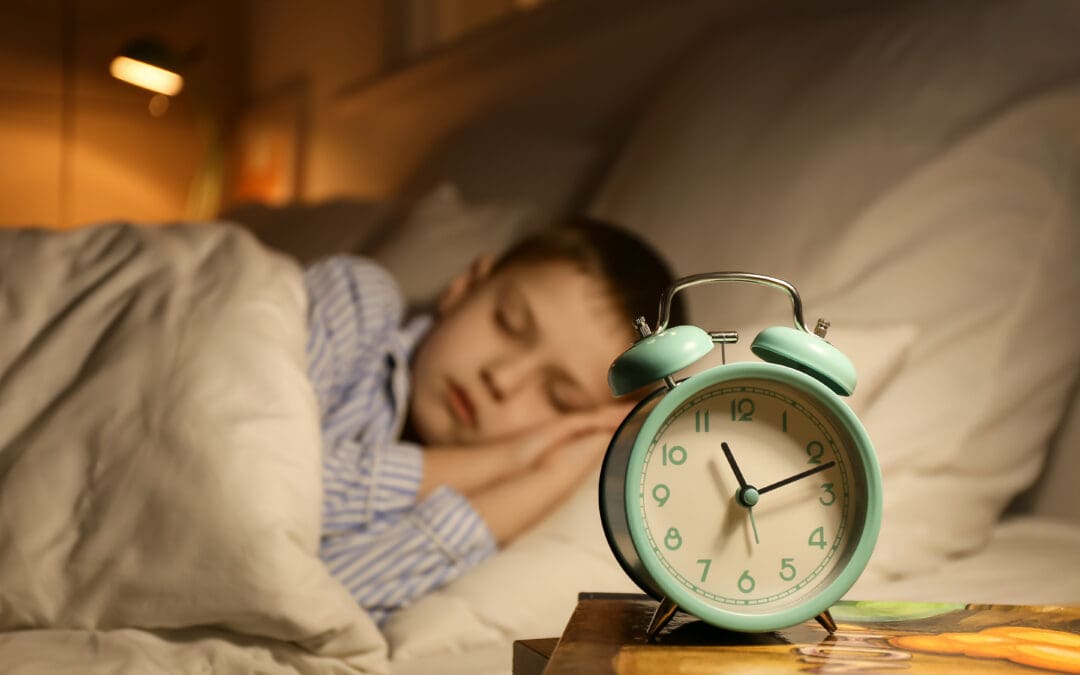
When the clocks spring forward, it is not just adults who feel groggy the next morning. Losing even one hour of sleep can feel much bigger to a child whose body depends on consistency. Parents often notice crankiness, difficulty waking up, or bedtime battles almost immediately after daylight saving time begins. If your household feels a little off balance, you are not alone.
Although families in Newnan, GA, enjoy the extra hour in the sun, daylight saving time can be a common concern. At Childrens Clinic, parents frequently ask why such a small time change causes such noticeable effects. The answer lies in how children’s bodies respond to sleep disruptions. Understanding what is happening can help families support healthy sleep habits and make the transition easier. In this blog, we will discuss the important role sleep plays in the physical and mental well-being of your child.
Why Daylight Saving Time Affects Children So Strongly
Children rely heavily on internal body clocks, also known as circadian rhythms. These rhythms are shaped by light exposure, daily routines, and consistent sleep times. When daylight saving time shifts the clock forward, the body does not instantly adjust.
As a result, children may experience a pediatric sleep transition that leads to:
- Trouble falling asleep at night
- Difficulty waking up in the morning
- Daytime fatigue or low energy
- Increased irritability or emotional sensitivity
- Reduced focus at school or daycare
For younger children, disruptions to their sleep schedule can feel especially overwhelming. Older children and teenagers may also struggle, particularly if they already fall short on sleep during school nights.
The Importance of Healthy Sleep Habits for Growing Kids
Sleep plays a critical role in a child’s growth and overall health. Consistent, high-quality sleep supports physical development, emotional regulation, and learning.
Healthy sleep habits help children:
- Strengthen their immune systems
- Improve memory and school performance
- Manage emotions and behavior more effectively
- Support healthy growth and brain development
When sleep is disrupted, even briefly, children may become more susceptible to illness, mood changes, and attention difficulties.
How to Support a Smooth Pediatric Sleep Transition
One of the most effective ways to help children adjust to daylight saving time is by preparing ahead of time and making gradual changes.
Shift Bedtime Gradually
Instead of changing bedtime all at once, begin easing it earlier several days before daylight savings time begins.
Before daylight saving time begins:
- Move bedtime earlier by 10 to 15 minutes each night
- Wake your child slightly earlier in the morning
- Keep naps consistent and avoid late afternoon naps
This gradual approach allows the child’s sleep schedule to adjust more comfortably. It will ease the transition
Keep Bedtime Routines Consistent
Children feel more secure when bedtime routines stay predictable. Familiar routines signal to the brain that it is time to relax and prepare for sleep.
Helpful bedtime routines may include:
- A warm bath
- Reading together
- Calm conversation about the day
- Soft lighting and quiet activities
Consistency reinforces healthy sleep habits even during schedule changes.
Using Natural Light to Help Adjust Sleep Habits
Light exposure plays a major role in regulating sleep. Morning sunlight helps tell the brain it is time to wake up, while darkness encourages sleepiness at night.
To support adjusting sleep habits during daylight savings:
- Open curtains soon after your child wakes
- Encourage outdoor play in the morning or early afternoon
- Dim lights in the evening to signal bedtime
Even brief exposure to natural light in the morning can support a smoother transition.
Managing Screen Time During Daylight Saving Time
Screens emit blue light that can interfere with melatonin production, making it harder for children to fall asleep, especially during a pediatric sleep transition.
To protect your child’s sleep schedule:
- Turn off screens at least one hour before bedtime
- Keep devices out of the bedroom overnight
- Encourage calming activities such as reading or drawing
These habits support healthy sleep habits throughout the year.
How Much Sleep Do Children Really Need
Daylight savings often highlights existing sleep challenges. Many children are not getting enough sleep, even before the time change.
General sleep guidelines include:
- Preschoolers: 10 to 13 hours per day, including naps
- School-age children: 9 to 12 hours per night
- Teenagers: 8 to 10 hours per night
If your child is already experiencing sleep deprivation, the time change can intensify fatigue and behavioral challenges.
Signs Your Child May Need Extra Support
Some adjustment difficulties are normal, but ongoing issues may signal that additional support is needed.
Watch for:
- Persistent difficulty falling or staying asleep
- Continued morning meltdowns or refusal to get up
- Increased emotional sensitivity or hyperactivity
- Frequent complaints of headaches or tiredness
If concerns last longer than a couple of weeks, a pediatric evaluation may help identify underlying issues.
Sleep as Part of Whole Child Health
At Childrens Clinic, we believe sleep is a foundation of pediatric health. Quality sleep supports immune health, learning, emotional balance, and behavior. Seasonal changes like daylight savings are reminders of how important routine truly is.
Parents do not need to aim for perfection. Small steps such as earlier bedtimes, morning light exposure, and consistent routines can make a meaningful difference.
Contact Childrens Clinic
Daylight savings can be challenging, but it also offers an opportunity to strengthen healthy sleep habits that benefit children year-round. With patience and consistency, most children adjust within a week or two.
If you have concerns about your child’s sleep schedule, daytime behavior, or ongoing fatigue, our team at Childrens Clinic is here to help. Contact Childrens Clinic in Newnan, GA, to schedule an appointment and receive personalized guidance to support your child’s sleep, growth, and overall health.